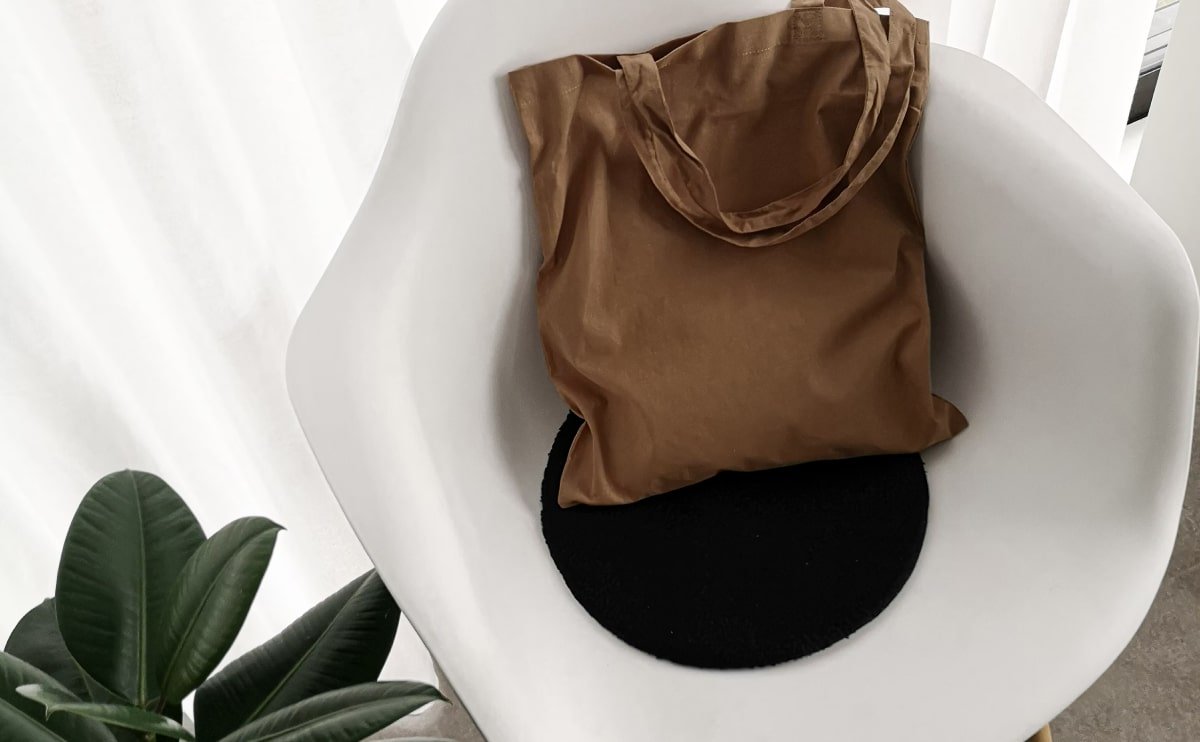
Minimalist Home Décor – The Art of Living with Less
Minimalism has been having a major moment. But let’s be real—when most people hear “minimalist home décor,” they picture stark white rooms that look like no one actually lives there. In reality, true minimalism isn’t about living in a furniture showroom. It’s about creating intentional, uncluttered spaces where every item feels purposeful and every corner breathes calm.
Why Minimalism Feels So Calming
Clutter isn’t just a visual distraction. Cognitive science shows that mess overwhelms our brains. Minimalist décor uses clean lines, open spaces, and neutral tones to create a kind of visual exhale. Whether your style leans toward sleek modern or cozy Scandinavian, minimalism makes room for peace.
Core Principles of Minimalist Décor
- Quality over Quantity: Focus on fewer, well-made pieces that stand the test of time. That sofa? Worth the splurge. The novelty lava lamp? Maybe not so timeless.
- Calm Color Palettes: Soft neutrals—creamy whites, muted grays, and natural beiges—form the foundation. Add texture through natural wood, linen, or stone rather than a riot of colors.
- Intentional Furnishings: Furniture in minimalist spaces is functional but sleek. Think of a mid-century modern armchair or a floating wood shelf that feels like it’s practically levitating.
- Hidden Storage Is Your Friend: Because yes, we all have “stuff.” The trick is neatly tucking it out of sight for that serene vibe.
Bringing Personality into Minimalism
Minimalism often gets labeled as “cold.” But you can add warmth with:
- A textured wool rug
- A curated shelf with a few statement books
- A single art piece that steals the spotlight
- Plants (because one fiddle-leaf fig counts as personality and oxygen machine in one).
The Minimalist Mantra: “Less, but better.”
Minimalist décor encourages you to truly consider what you bring into your home—and, by extension, your life. The result? A space that feels like it’s actually looking out for your stress levels.